Essential Strategies for Dog Arthritis Pain Relief: An In-Depth Guide
Arthritis among dogs is a frequent problem that affects their quality of life. Noticing small changes in conduct can be crucial for timely treatment. Several methods can help control discomfort and boost mobility. Including everything from diet modifications to workout regimens, all techniques serve an important purpose. Moreover, holistic therapies may present extra relief. Understanding these effective strategies is essential for any dog owner looking to enhance their pet's comfort and well-being. What steps can be taken to create a tailored plan?
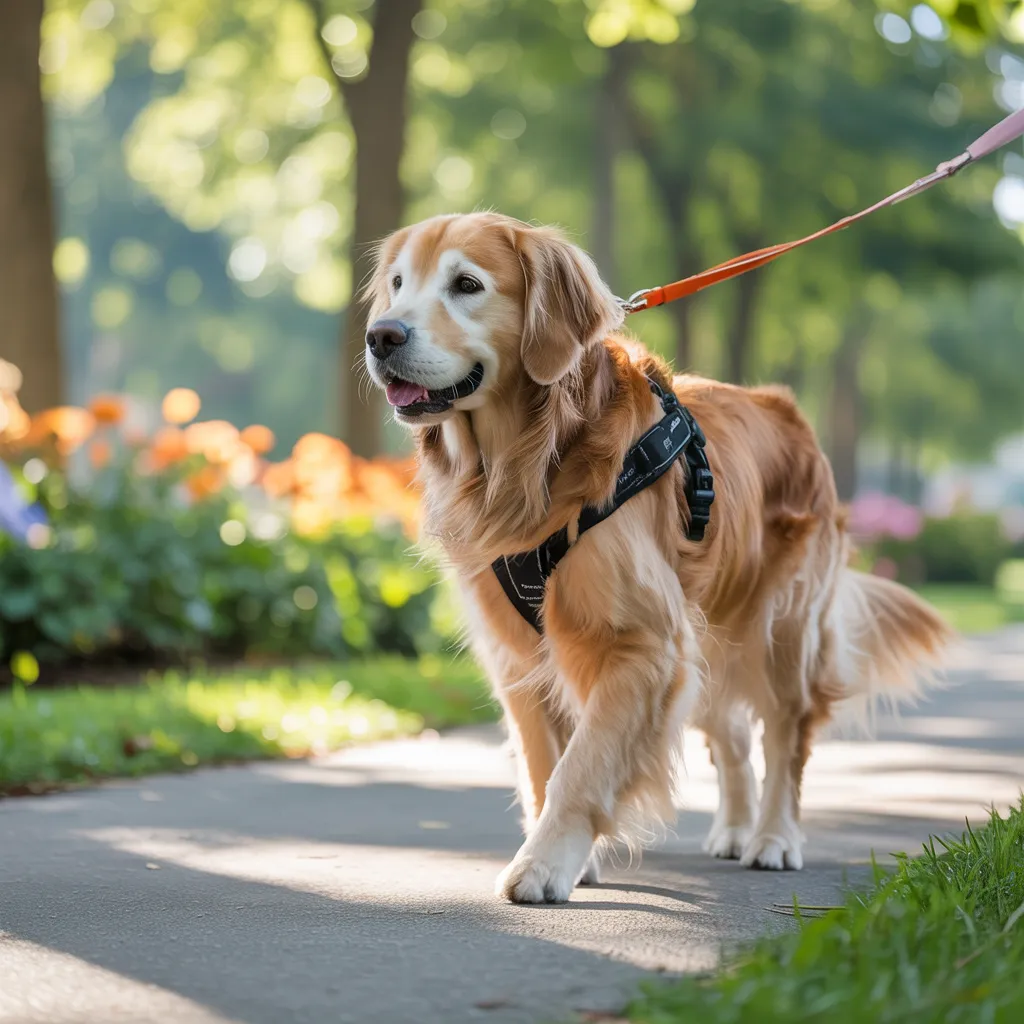
How to Spot and Treat Arthritis Pain in Dogs
How can pet owners identify and manage arthritis pain in their dogs? Recognizing arthritis pain in dogs requires keen observation of behavioral changes. Indicators include struggling to rise, limping, hesitation to walk or play, and a diminished interest in daily activities. Owners may also notice changes in posture, such as favoring one limb or adopting a hunched back.
Care begins with a veterinary consultation for a thorough assessment and care strategy. Veterinarians can prescribe pain relief medications, nutritional supplements, or therapeutic exercises customized for the individual dog's requirements. Furthermore, providing a comfortable resting area and keeping the dog away from slippery areas can lessen the burden on damaged joints. Routine, mild physical activity can support healthy movement without aggravating existing pain. Pet owners should observe their pets carefully, modifying activities according to the dog's tolerance, and keep regular contact with their vet to achieve effective management of joint inflammation symptoms.
Nutritional Adjustments to Ease Arthritis Pain in Dogs
A nutritionally balanced diet can greatly contribute to relieving arthritis pain in dogs. Adding anti-inflammatory nutrients, including omega-3 fatty acids derived from fish oil, can work to decrease joint inflammation. Incorporating glucosamine and chondroitin supplementation can promote healthy cartilage, encouraging improved movement.
Moreover, a diet rich in powerful antioxidants from fruits and veggies can strengthen the body's immune system, supporting general health. Choices such as blueberries, spinach, and sweet potatoes are exceptional selections.
Keeping a healthy weight is important, as excess weight puts added strain on joints. Reducing caloric intake while providing nutrient-dense foods can assist in weight management.
Speaking with a veterinary professional for tailored dietary recommendations is recommended to guarantee the diet fulfills a pet's particular needs. In summary, thoughtful dietary modifications can play a significant role in alleviating arthritis symptoms and boosting the overall wellbeing for dogs suffering from arthritis.
Exercises for Joint Health in Dogs
Beyond modifications to diet, incorporating appropriate exercises can significantly improve joint function in dogs diagnosed with arthritis. Regular, low-impact activities such as gentle play, walking, and swimming can support the maintenance of muscle strength and joint flexibility. Swimming stands out as especially helpful, as it enables dogs to stay active without placing excessive strain on their joints. Shorter, more frequent exercise periods are suggested, making sure the dog avoids excessive exhaustion.
Furthermore, stretching exercises can improve range of motion and alleviate stiffness. Simple movements like leg extensions and gentle twists can be easily integrated into a daily routine. Owners should further consider involving their dogs in stimulating games that foster activity without intense physical impact. Always seek advice from a veterinarian before commencing any exercise routine to align the program with the dog's particular needs and physical capabilities. This approach not only supports joint health but can also enhance overall well-being and quality of life.
Best Medications and Supplements for Arthritis in Dogs
Proper treatment of joint disease in dogs typically includes a blend of standard pain management medications and helpful nutritional supplements. Such remedies can help alleviate discomfort and improve movement, elevating the overall standard of living for affected pets. Being aware of the available treatments is vital for caregivers searching for remedies for their four-legged friends.
Common Pain Relief Medications
A great number of dog owners search for suitable pain relief options to assist in reducing the discomfort associated with arthritis in their dogs. Non-copyrightal anti-inflammatory medications (NSAIDs) are frequently recommended, because they effectively lower inflammation and alleviate pain. Vet-approved medications, including carprofen and meloxicam, are popular choices because of their effectiveness and safety records when given under professional veterinary care. In addition, corticocopyrights might be employed in certain situations due to their strong anti-inflammatory properties. Additionally, many veterinarians advise gabapentin for managing nerve pain. Each medication comes with potential side effects, requiring diligent observation by dog owners. Dog owners must speak with their veterinarian to find the best medication suited to their dog's unique needs and medical circumstances.
Helpful Nutritional Supplements
Even though medications are vital in treating arthritis pain in dogs, dietary supplements may deliver meaningful relief and strengthen joint health. Common supplements include glucosamine and chondroitin, which assist in preserving cartilage integrity and minimizing inflammation. Omega-3 fatty acids, found in fish oil, are known for their anti-inflammatory properties and can enhance mobility. Moreover, green-lipped mussel extract delivers natural anti-inflammatory properties, while turmeric, with its active compound curcumin, may help alleviate pain and stiffness. Antioxidants, including vitamin E, may further promote overall joint health by counteracting oxidative stress. It is critical for dog owners to seek guidance from a veterinarian before adding any supplements, ensuring they complement existing treatment plans effectively.
The Benefits of Acupuncture and Massage for Your Dog
Acupuncture and massage offer effective options for managing pain caused by arthritis in dogs. Acupuncture can target precise points to enhance circulation and reduce inflammation, while focused massage methods can alleviate muscle tension and improve mobility. Together, these therapies may considerably enhance a dog's overall comfort and quality of life.
Advantages of Acupuncture Treatment
Exploring alternative therapies, dog owners often turn to acupuncture and therapeutic massage as effective treatments for arthritis pain relief. The practice of acupuncture includes the placement of thin needles at targeted locations to activate the body's natural healing mechanisms, encouraging pain reduction and minimizing inflammation. This approach boosts circulation, supporting the transport of key nutrients to compromised joints. Numerous dogs notice improved movement and decreased pain after a series of acupuncture sessions. Moreover, acupuncture is typically considered safe and is compatible with standard treatments without harmful consequences. This comprehensive method addresses not just physical ailments but also promotes general wellness, improving the canine's overall quality of life. Canine caretakers regularly note improvements in their pets' conduct and physical activity following acupuncture therapy.
Massage Approaches for Relief
Massage techniques provide a powerful complement to acupuncture in reducing arthritis pain in dogs. These techniques enhance circulation, reduce muscle tension, and support relaxation, which can greatly improve a dog's overall comfort. Targeted approaches, such as effleurage and gentle kneading, can target affected areas, aiding in relieving stiffness and enhancing flexibility.
Regular massage sessions can also nurture a stronger bond between the dog and the handler, establishing a calming environment that further assists with pain management. It is essential for handlers to learn appropriate techniques to minimize injury and maximize efficacy. Pairing dog arthritis pain relief massage therapy with acupuncture creates a holistic approach, addressing both physical and emotional well-being, ultimately leading to a more comfortable life for dogs affected by arthritis.
Setting Up a Cozy Space for Your Dog
Reducing the number of stairs or installing ramps can assist dogs in getting around their living space more comfortably, lowering the chances of injury and exhaustion. Additionally, keeping living spaces free of clutter can help avoid accidents and allow for easier movement.
Temperature control is essential; a warmer setting can help reduce joint stiffness, while cooling surfaces may help reduce heat sensitivity. Furthermore, ensuring that the dog's favorite toys and resting spots are easily accessible encourages engagement and reduces unnecessary exertion. By making these adjustments, dog owners can develop a caring environment that enhances their dog's quality of life and eases arthritis-related pain.
Frequently Asked Questions
Can Arthritis in Dogs Be Prevented With Early Intervention?
Prompt action can help lower the risk of developing canine arthritis. Regular veterinary check-ups, maintaining a healthy weight, and regular exercise routines promote joint health, helping to prevent or delay the emergence of arthritis-related issues in senior dogs.
What Are the Indicators of Advanced Canine Arthritis?
Indicators of serious canine arthritis include marked difficulty getting around, favoring certain limbs, unwillingness to participate in physical activity, apparent sensitivity when handled, inflammation of the joints, decreased activity levels, and alterations in temperament, such as rising irritability or a tendency to retreat.
What Can I Do to Help My Dog During a Flare-Up?
During a flare-up, offering a cozy resting space, giving prescribed medications, and placing heat or cold packs can aid in reducing discomfort. Gentle, short walks may also support better mobility without overexerting the affected dog.
Are Some Breeds More Susceptible to Arthritis?
Specific breeds, such as Labrador Retrievers, Golden Retrievers, and German Shepherds, are more prone to arthritis owing to genetic predispositions, overall size, and joint formation. Regular veterinary check-ups can help manage their risk effectively.
When Should I Consider Surgery for My Dog's Arthritis?
An operation for your dog's arthritis may be necessary when suffering remains despite alternative therapies, physical activity noticeably diminishes, and daily functioning declines. Speaking with a veterinary professional is highly recommended to determine the best course of action.